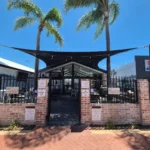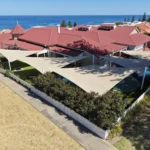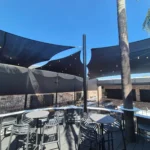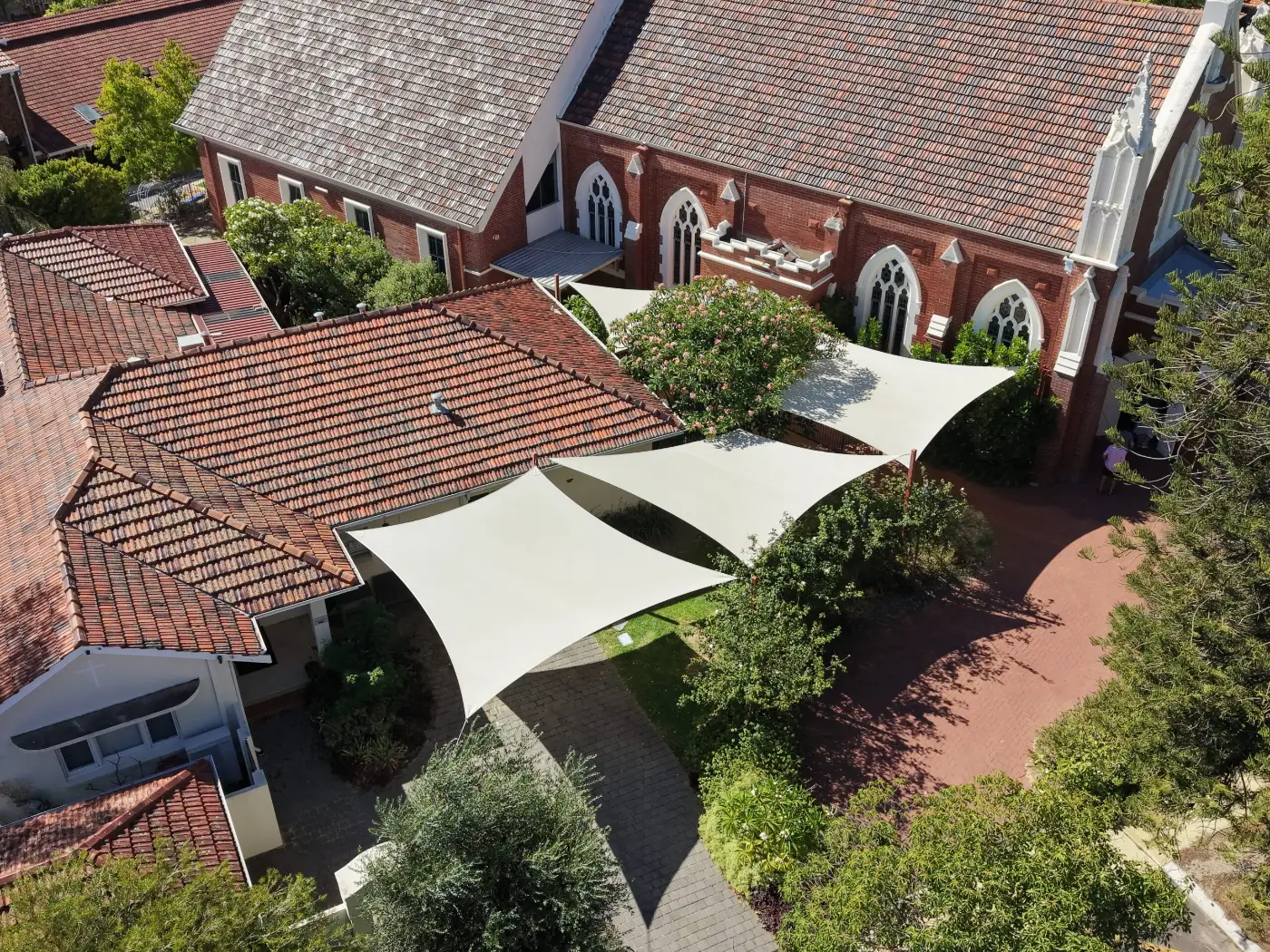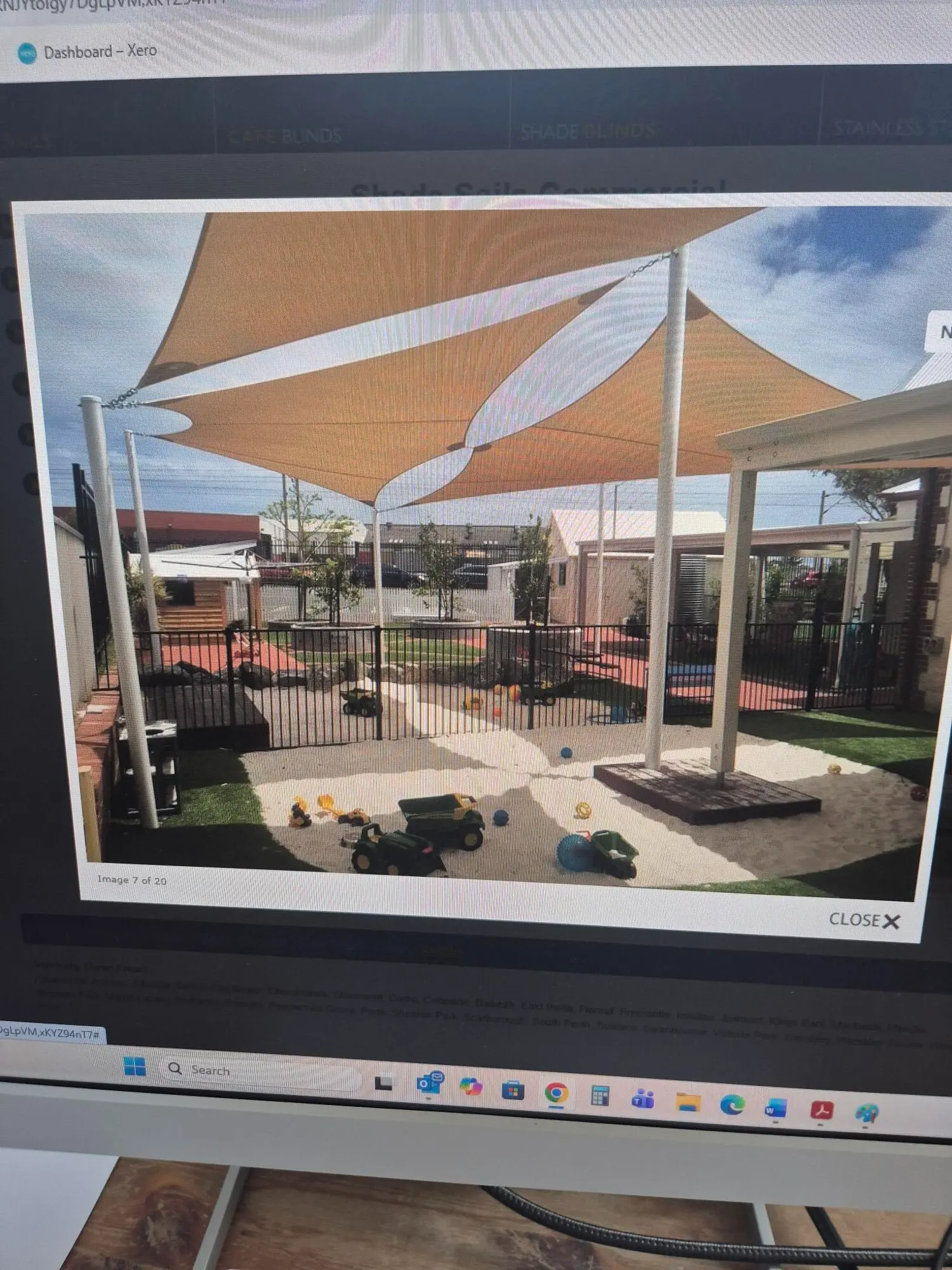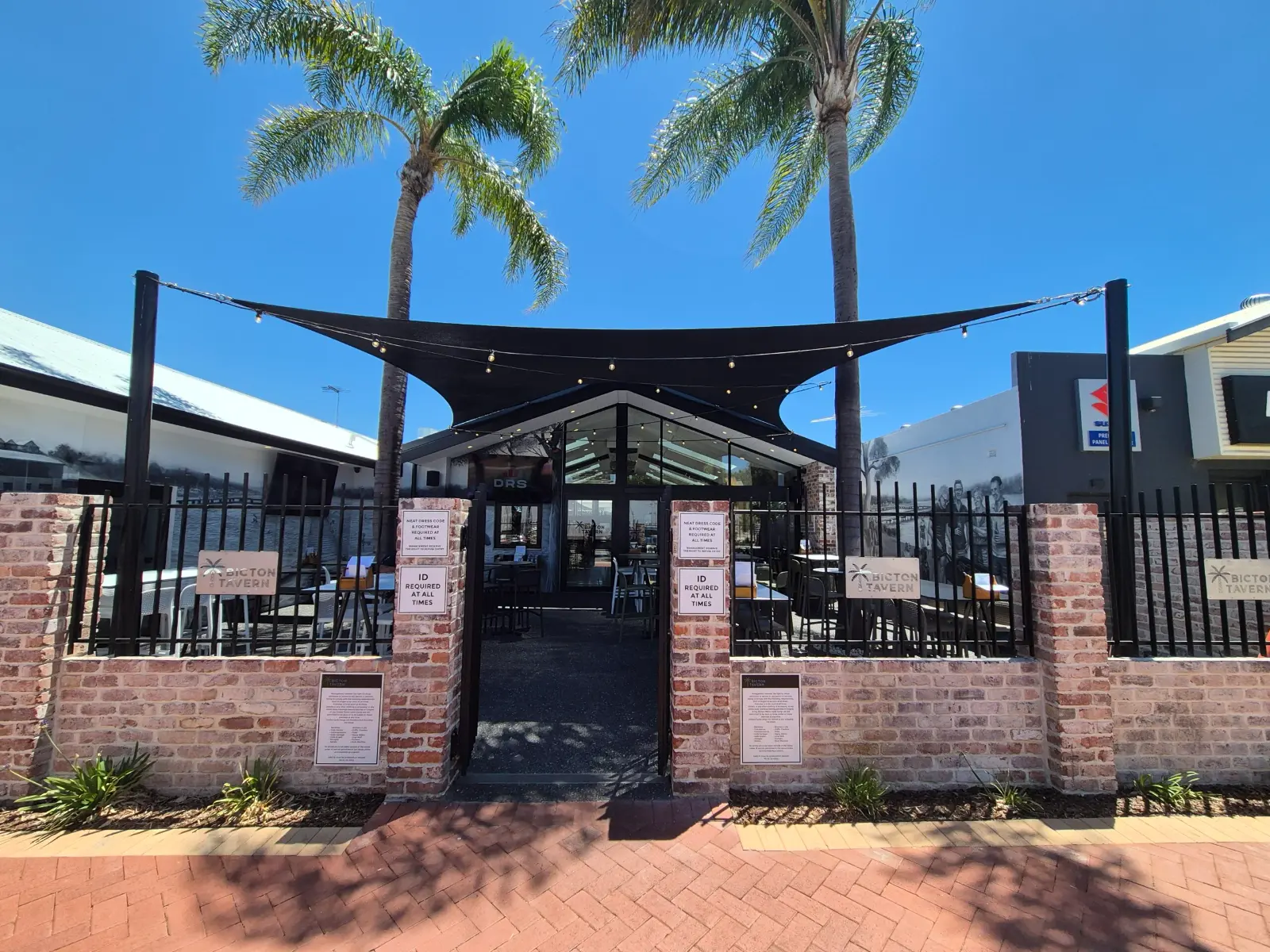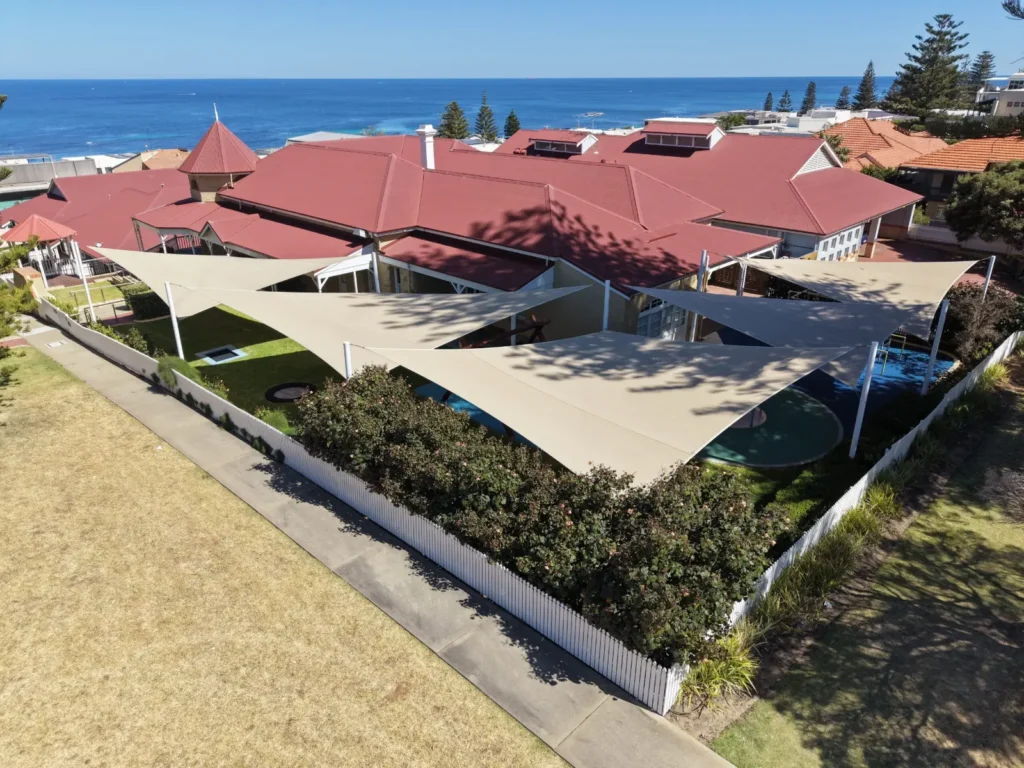
For many WA workplaces, summer means long days of outdoor work in strong sun and heat. Depots, yards, loading bays and outdoor break areas can get very hot, and workers are exposed to UV for hours at a time. Permanent shade is one of the most practical ways to reduce that exposure. This guide explains what the official guidance says and where shade makes the biggest difference.
What the guidance says
WorkSafe WA notes that heat stress may affect people across Western Australia during summer, and that employers must provide a working environment without risks to health and safety, including heat illness. Among the ways to manage work in hot conditions, WorkSafe WA lists installing shade cloth to reduce radiant heat from the sun, rescheduling hot tasks to cooler parts of the day, and additional rest breaks in cool, shaded areas.
Safe Work Australia’s guidance on solar UV lists controls in order of effectiveness. It includes making sure work is done undercover or in a well-shaded area, and installing permanent shade structures, alongside sun-protective clothing, hats and sunscreen. It also notes that temporary shade that is not secured properly can introduce new risks.
Where permanent shade helps most
- Break and crib areas – so workers can rest out of the sun.
- Loading bays and dispatch – where people work around vehicles for long periods.
- Outdoor workstations and yards – fixed work areas that get full sun.
- Car parks and vehicles – cooler vehicles and safer entry and exit. See car park shade structures.
- Walkways between buildings – covered paths, including waterproof PVC structures.
Planning shade for a workplace
- Start with where people spend the most time. Rest areas and fixed workstations usually come first.
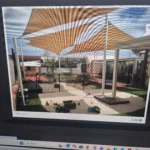
- Check the sun path. A geolocated 3D design shows where shade falls through the day and across the season.
- Plan for wind. Permanent structures should be designed and installed for the site and its wind exposure.
- Work around operations. Installation can be scheduled around shifts, deliveries and site access.
Shade is one part of managing heat and UV. Workplaces should follow WorkSafe WA and Safe Work Australia guidance on water, rest breaks, scheduling and protective clothing as well.
Frequently asked questions
Can you shade large outdoor areas?
Yes. We design shade sails and structures to suit the size of your site, from a single break area to yards and car parks.
Can you install without stopping work?
We plan installation around your shifts and deliveries to keep disruption low.
Need shade for your workplace?
See our industrial and workplace shade structures or request a free site visit.
Sources: WorkSafe WA – Working safely in hot conditions; Safe Work Australia – Solar ultraviolet radiation fact sheet.